







Search Results for: Controlled Fermentation Method
A Complete Guide to Colombia Wine Process Coffee: From Fermentation Principles to Front Street Coffee Jiu Kui Brewing Instructions
The red wine process is an innovative green bean processing technique originating from Colombia that precisely shapes the acidity and sweetness of coffee through artificially controlled fermentation conditions. This article provides a detailed overview of the historical background, scientific principles, and specific operational procedures of this processing method, and takes an in-depth look at the origin information, flavor characteristics, and pour-over recommendations of Front Street Coffee's Colombia Nine Suns Red Wine Process coffee. Whether you want to understand the difference between acetic acid fermentation and lactic acid fermentation, or you are looking for a bean with prominent sweetness and elegant acidity, this content offers practical reference. [more…]
Hartmann Coffee Beans Red Wine Processing Brewing Guide: V60 Parameters and Fermented Wine Aroma Presentation
The wine process, also known as the controlled fermentation method or lactic/acetic fermentation method, was developed by a team led by Felipe Sardi of the United States, whose members include biological scientists and ecologists. Strict standards are enforced during picking: underripe cherries below 2%, defective beans below 3%, and floating beans below 5%. This processing method is divided into two paths: aerobic acetic fermentation and anaerobic lactic fermentation. The former has a cleaner and brighter acidity with citric notes; the latter has a rounder mouthfeel and higher body, but slightly lower cleanliness, displaying malic and tartaric acid characteristics. Batch consistency is achieved through pH monitoring. Wine-processed green beans are darker in color, with silver skin appearing wine-red or brownish-red. Front Street Coffee's Panama Hartmann is a representative example, and this article shares its pour-over parameters and flavor performance. [more…]

Is red wine process coffee soaked in red wine? Analyzing the winy natural process at Hartmann Estate and its flavor profile
Front Street Coffee was recently asked: Does the red wine process mean soaking coffee beans in red wine? Will the finished product contain alcohol? In fact, the red wine process simply borrows the idea of wine fermentation to process coffee cherries; it does not involve soaking in red wine. During fermentation with the mucilage, a trace amount of alcohol is indeed produced, but after high-temperature roasting it has long since evaporated completely, so there is no need to worry about residue. In this article, Front Street Coffee takes the red wine process coffee beans from Panama's Hartmann Estate as an example, from the estate's background, the characteristics of the Catuai variety, and the operational details of controlled fermentation, to the roasting curve, cupping report, and V60 brewing parameters, to fully break down how this coffee with vinous notes is born. [more…]
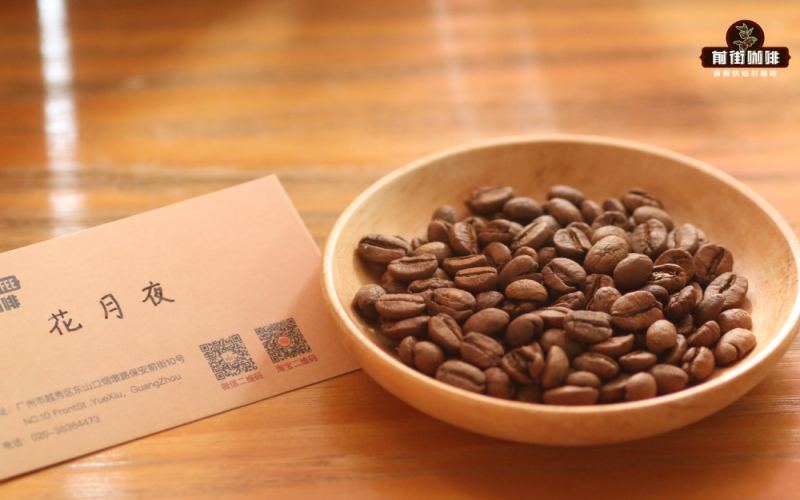
Introduction to Anaerobic Fermentation in Coffee | What Is the Anaerobic Fermentation Processing Method? What Is the Difference Between Anaerobic Natural, Anaerobic Washed, and Double Anaerobic Coffee Processing Methods?
Anaerobic Fermentation has been very popular in the coffee world in recent years, mainly because Sasa Sestic, the Australian competitor who won the 2015 WBC, started this trend, and even in 2018 WB [more…]
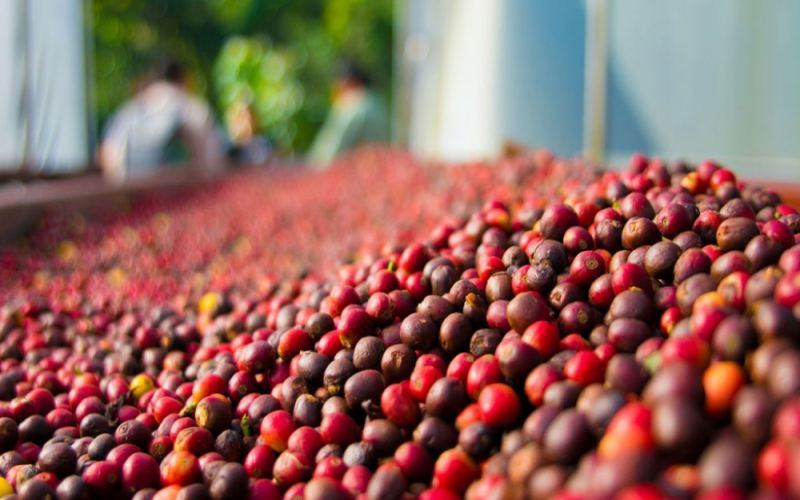
Panama Hartmann Estate Wine Process Coffee: Fermentation Craft Analysis, Catuai Variety, and Brewing Flavor
Is red wine processed coffee made by soaking the beans in red wine? Does it contain alcohol? These are common questions among many coffee lovers. In fact, this processing method borrows the fermentation logic of wine-making, rather than directly soaking coffee beans in red wine. In this article, Front Street Coffee takes you deep into the red wine processed Catuai coffee beans from Hartmann Estate in the Volcan region of Panama: from the estate's background and the variety's origins, to the specific controlled fermentation process and flavor performance. We also share Front Street's roasting curve, cupping results, and V60 staged pouring parameters to help you understand what makes this bean so unique. [more…]
A Complete Guide to Anaerobic Fermentation of Coffee Beans: Processing Fundamentals, Six Key Control Factors, and Practices for Quality Consistency
Fermentation is a core step in coffee processing that shapes flavor direction. It is driven by microorganisms such as yeasts and bacteria, which convert sugars and acids within the coffee cherry into acids and alcohols. Good, controlled fermentation can highlight a coffee's varietal characteristics, while uncontrolled fermentation may bring negative flavors reminiscent of spoilage and spoiled wine. Starting from the basic principles of fermentation, this article sorts out the differences between the two pathways—aerobic and anaerobic—and, around six major factors—coffee cherry quality, cleanliness, oxygen, microorganism and yeast types, time and temperature, and data recording—explains how to improve the consistency and repeatability of fermentation. It also emphasizes that coffee quality is largely fixed during the growth stage, and the role of fermentation is to extract and preserve excellent characteristics rather than to elevate quality out of thin air. The article also introduces Front Street Coffee's ongoing attention to knowledge related to fermentation and processing methods, for the reference of coffee enthusiasts. [more…]
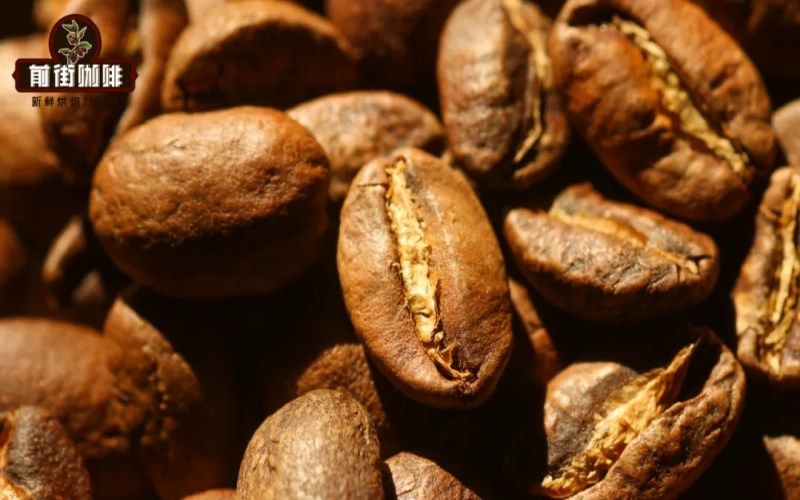
Lactic Acid Fermentation in Green Coffee Processing: Principles, Applications, and Flavor Impact
Lactic acid fermentation is widely used in the food industry, from kimchi to yogurt, it is indispensable. In the processing of green coffee beans, this technique is increasingly being adopted by more and more estates to create richer floral and fruity notes and a fuller body. This article guides you through the mechanism of lactic acid bacteria, their role in washed processing, and how controlled fermentation can achieve flavor breakthroughs. At the same time, the practical case of the Palm Tree and Toucan Estate in Colombia demonstrates the potential of lactic acid fermentation in specialty coffee. Front Street Coffee will also recommend related products worth trying. [more…]
Washed Processing vs. Red Wine-Style Natural Processing: A Full Analysis of Flavor Differences, Process Pros and Cons, and Taste Characteristics
What do the labels commonly seen on coffee packaging—natural, washed, honey—actually mean? This article focuses on the natural process and its innovative offshoot, the red wine–style natural process. Starting from the structure of the coffee fruit, it breaks down in detail the steps of the natural method, its cost advantages, and defect risks, and further explains how the red wine process uses controlled fermentation to enhance sweetness, cleanliness, and complex acidity. The article also draws on specific products such as Front Street Red Cherry, Huakui, ALO, and the Panama Hartmann Estate to show how traditional natural and red wine natural coffees actually perform in aroma and mouthfeel, helping coffee lovers understand more clearly how processing methods influence the flavors in the cup. [more…]
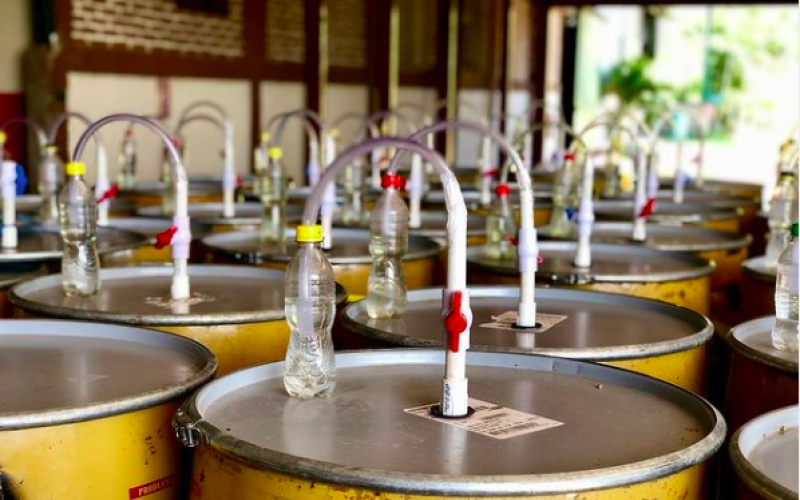
Analysis of the Principles of Enzyme Processing for Coffee Beans: A Complete Guide to the Differences Between Natural, Washed, and Honey Processes
The processing method of coffee beans directly determines the flavor direction of the final cup. Washed, natural, and honey—the three classic processes—each have different fermentation paths and flavor expressions. The enzyme processing method that has emerged in recent years introduces specific microbial strains for anaerobic fermentation on the basis of washed processing, in order to create more distinctive flavors. How exactly is this processing method carried out? And what are the essential differences between it and the three traditional processing methods? This article will break down the process details of each method one by one, and combine them with a number of representative beans from Front Street Coffee to help readers build a systematic understanding of coffee processing methods. [more…]
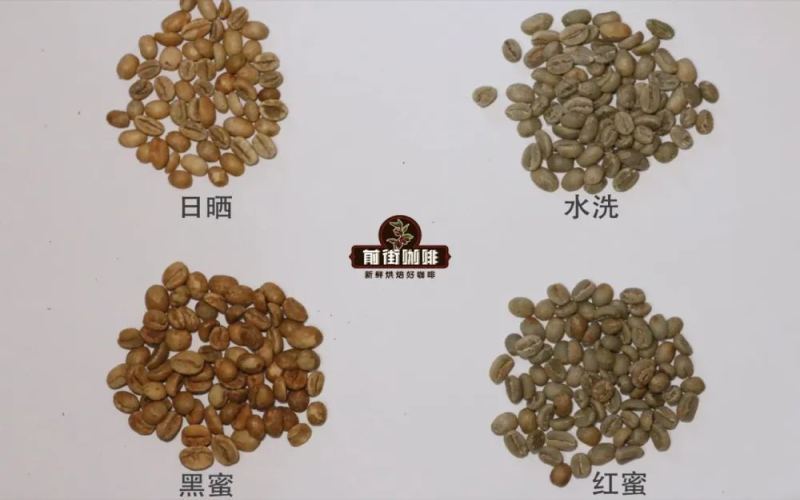
A Complete Guide to the Three Main Coffee Processing Methods: A Comparison of Natural, Washed, Honey, and Anaerobic Enzyme Processes
The flavor of coffee depends to a large extent on how the green beans are processed. Natural, washed, and honey processing, as the three classic methods, each present distinctly different flavor directions. In addition, enzyme processing and anaerobic fermentation have gradually entered the public eye in recent years, adding more possibilities to coffee. Front Street Coffee believes that using such fermentation techniques in moderation to create distinctive flavors is worthy of recognition, but if they are used to mask defects in the coffee beans themselves, that deviates from the original purpose of the processing method. This article will systematically sort out the specific procedures and flavor characteristics of these processing methods, and combine them with representative products on the Front Street coffee list to help coffee lovers build a clearer understanding. [more…]
Colombia Santander Region Rodeo Estate Coffee Beans: Flavor Characteristics and Processing Method Analysis
Colombia is known as "green gold," and coffee can be harvested there year-round, with different regions and cultivation methods giving coffee a diverse range of flavor profiles. Santander, as the first province in Colombia to grow coffee, is rarely mentioned, yet its output accounts for about 5% of the country's total. The province's unique geography and climate, along with its semi-forest shade system, create a rich and sweet coffee style. Located in Santander, El Rodeo Estate is run by owner Alfonso and his son Chris. Through controlled harvesting and a two-stage fermentation process, Front Street Santander Coffee brings out cocoa notes and a thick caramel sweetness, along with the alluring flavor of dark stone fruit. This article will take a deeper look at the characteristics of the Santander growing region and the flavor and processing details of El Rodeo Estate's coffee. [more…]

Rose Valley Flower Moonlight Coffee Beans Pour-Over Guide: A Complete Analysis of Anaerobic Enzyme Washed and Natural Processing Methods
Coffee enthusiasts' taste demands are becoming increasingly refined. The original terroir flavors produced by traditional washed and natural processing methods can no longer satisfy diverse expectations, and various specialty processing methods have emerged as a result. From the perspective of Front Street, this article systematically reviews the principles and classifications of anaerobic fermentation processing, compares the differences between natural fermentation and temperature-controlled fermentation, and provides an in-depth analysis of three processing workflows: anaerobic natural, anaerobic washed, and anaerobic enzyme-washed. At the same time, using Front Street Huayueye coffee beans from the Huila region of Colombia and Rose Valley coffee beans from Big Tree Estate as examples, it presents a complete approach from green bean processing to roasting curve selection, and then to pour-over parameter development, helping readers understand how specialty processing methods shape the flavors in the cup. [more…]
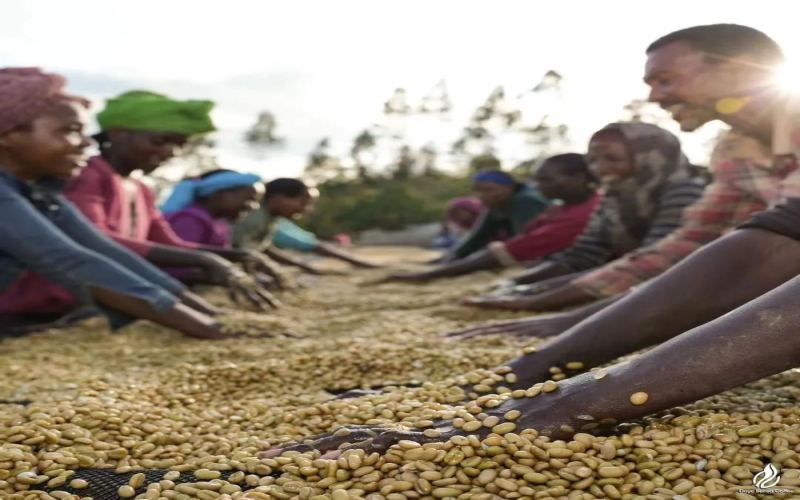
From Natural to Washed to Honey Processing: The Fermentation Principles Behind Coffee Processing Methods and Their Flavor Impact
Many people assume that only special processes like anaerobic fermentation involve fermentation, but in reality, conventional methods such as natural, washed, and honey processing are equally dependent on fermentation. Fermentation is the process by which microorganisms break down sugars and produce heat and compounds in the presence or absence of oxygen. Coffee cherries are rich in moisture and sugars, so fermentation begins the moment they are picked. Different processing methods correspond to aerobic or anaerobic fermentation pathways, and the duration and intensity of fermentation directly shape the flavor profile of the coffee—prolonged fermentation brings rich layers of dried fruit and fruit preserves, while short fermentation yields bright acidity and a clean mouthfeel. Properly controlled fermentation enhances quality, but once it becomes unbalanced, it produces irreversible negative flavors such as moldiness and rotten fruit. [more…]
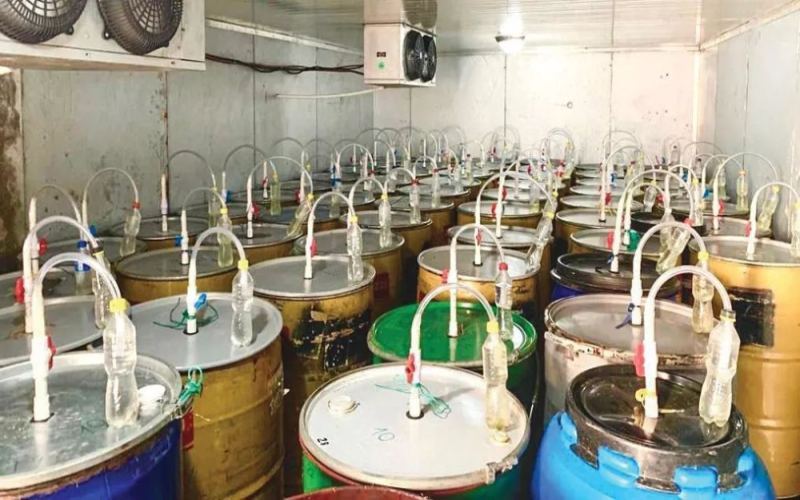
A Complete Guide to Anaerobic Fermentation Processing: The Differences Between Anaerobic Natural, Anaerobic Washed, and Double Anaerobic Methods
Anaerobic fermentation processing is a green bean processing technology that has attracted much attention in the coffee industry in recent years. Since Sasa Sestic, the 2015 WBC champion, brought it to the forefront, it has quickly swept through the specialty coffee world. Inspired by red wine-making techniques, this processing method injects carbon dioxide into a sealed container to expel oxygen, creating an oxygen-free environment that allows precise control of the fermentation process, giving coffee beans higher sweetness and more unique flavor layers. As processing technologies continue to evolve, experimental methods such as anaerobic natural, anaerobic washed, and double anaerobic have emerged one after another, each presenting distinctly different flavor expressions. This article will systematically sort out the principles and origins of anaerobic fermentation, and analyze one by one the process steps and flavor characteristics of these three common anaerobic processing methods, while also explaining them in conjunction with specific Front Street Coffee bean offerings. [more…]

Which coffee varieties are suitable for the washed processing method? A comprehensive analysis of green bean processing methods and flavor differences
Coffee beans are not naturally the dark brown beans we know; rather, they are encased in fruit that resembles red dates. From harvesting, processing, and roasting to brewing, every step subtly influences the final flavor, and among these, the "processing method" is the primary key that determines the direction of coffee flavor. Washed and natural are currently the two most common methods of green bean processing; the former relies on sun exposure, while the latter requires ample water and fermentation tanks. This article takes Front Street Yirgacheffe as an example to compare in detail the specific differences between washed and natural coffee beans in dry aroma, mouthfeel, and pour-over parameters, helping coffee enthusiasts understand the characteristics and suitable scenarios of the washed processing method. [more…]
Ethiopia Hambela Estate Single-Layer Sun-Dried Slow Fermentation Method: How the SLD Process Creates High-Quality Natural Beans
Ethiopia, as the birthplace of coffee, has seen a continuous emergence of high-quality lots in emerging producing regions such as Guji in recent years. This article focuses on the single-layer sun-dried slow-drying Lot 121 produced by a single farm in St. Lion Village of Front Street Hambela Estate, offering an in-depth analysis of this rare processing method known as SLD—where only a single layer of coffee cherries is spread on raised beds, the drying period is strictly controlled at around 18 days, and the fruit is allowed to fully ferment through the most perfect convection environment, thereby imparting fuller sweetness and body to the coffee beans. The article also examines why Ethiopia's smallholder-dominated production system makes single-farm traceability difficult to achieve, how Hambela Estate owner Aman adheres to quality at extremely high cost, and compares the subtle flavor differences between the Guji region and Yirgacheffe. [more…]
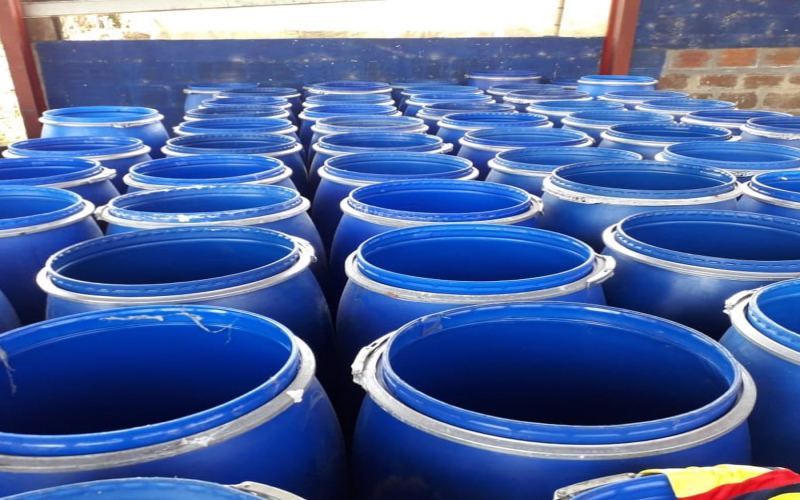
A Comprehensive Analysis of Specialty Coffee Processing Methods: The Craft and Flavor of Anaerobic Fermentation, Barrel Aging, and Wine Infusion
In recent years, an increasing number of specialty green coffee beans processed with special processing methods have appeared on the specialty coffee market. Is this really something to be happy about? Front Street Coffee believes that special processing methods were originally intended to give the flavor of coffee beans from a certain producing region more distinctiveness. However, as their use has continued to expand, some processing methods today seem to be more about masking the defects of the coffee beans themselves and then selling them at a high price. In fact, all special processing methods have evolved around the three traditional methods: washed, natural, and honey. This article will systematically sort out the most common types of special processing methods on the market, including anaerobic fermentation, barrel fermentation, and red wine processing, and, combined with Front Street Coffee's cupping experience and specific products, analyze their processing procedures and flavor characteristics. [more…]
What's the difference between washed and natural coffee beans? A complete analysis from processing methods to Yirgacheffe flavor comparison
As a fruit that wins with its seeds rather than its flesh, coffee's charm lies in its ability to release rich layers of fruity notes and floral aromas after roasting. Beans from the same origin, whether processed by the natural method or the washed method, can taste worlds apart in the final cup. This article, from the perspective of Front Street Coffee, systematically sorts out the processing differences between the natural method and the washed method, and uses Yirgacheffe as an example to compare the specific performance of the two processing methods in dry aroma, mouthfeel, and pour-over parameters, helping enthusiasts understand how processing methods shape the flavor direction of coffee. [more…]
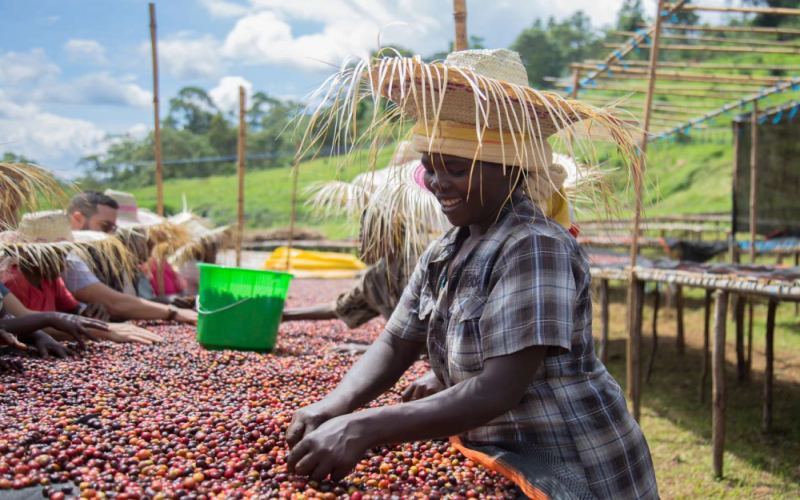
From Natural and Washed to Wet-Hulled, Honey, and Anaerobic Fermentation: A Complete Analysis of Flavor Differences in Common Coffee Processing Methods
Turning coffee cherries into green beans relies on the crucial step of "processing." Different methods of removing the skin, pulp, mucilage, and parchment lead to entirely different flavor directions in the final cup. This article systematically reviews the operational processes and flavor characteristics of common processing methods such as natural, washed, semi-washed (honey), wet-hulled, and anaerobic fermentation, while also explaining the specific performance of beans like Front Street Red Cherry, Fruit Ding Ding, Lintong Mandheling, Sidra, and Big Belly under each processing method, helping coffee enthusiasts understand how processing shapes a cup's acidity, sweetness, and sense of place. [more…]

Kenyan Coffee Varieties and AA Grade Full Analysis: Why Is It So Acidic? Flavor Sources and Brewing Guide
Kenyan coffee, with its wild berry-like acidity, has become a beloved favorite among many coffee connoisseurs. But where exactly does its acidity come from? How do variety, producing region, grading system, and processing method affect the flavor in the cup? From the perspective of Front Street Coffee, this article systematically reviews the cultivation history of Kenyan coffee, its main producing regions, and the AA grading standards, deeply analyzes the contributions of the SL28 and SL34 varieties and the K72 washed processing method to acidity and cleanliness, and includes the pour-over parameters and SOE preparation demonstration for Front Street Kenya Asalia coffee beans, giving you a comprehensive understanding of the unique charm of this African star bean. [more…]